You describe Post Trauma as a Horror Puzzle Game – What is that?
[/b] In line with classic style of survival horror games, Post Trauma is made up of puzzles for you to solve. These are designed to be tricky - hopefully just the right amount - and are a core part of the experience when you boot up Post Trauma. You might even want to ask a friend for some advice on a few of the puzzles. In fact, when we released the demo, I saw two people solving the same puzzle together and having fun with it. And during development, we purposefully tested the puzzles with friends - some people got stuck in puzzle A, but solved puzzle B in 10 seconds, whereas others solved A in 10 seconds and got stuck in B for quite some time. But the hope behind every puzzle is that as soon as you figure out the solution, you say “ooooh I was overthinking it, this makes sense”. We could have simplified all the puzzles in the game so no one got stuck, but then none of them would have felt rewarding to solve. That does mean, though, even if you love horror games, if you dislike puzzles, Post Trauma might not be the right game for you. I believe games like these are making a comeback, even if in slightly different ways, but with Post Trauma our small team has purposefully designed the experience to look and feel like it’s coming right out of 1996/1997. But instead of opting for the pixelated, retro looking graphics, we’ve used modern rendering techniques to show what a present day interpretation of this experience can look like. We hope we’ve been able to achieve that. [b]Should I have a pen and paper? Maybe I can use my phone?
[/b] It’s not required but it might help. Just with the demo, I've even seen people using screenshots, others using their phone, pen and paper or streamers asking chat to “remember this number for me”. But even with all of that, we tried to make sure that all the relevant places you need to solve a puzzle are close by so there's not too much backtracking. Each level is self-contained and the puzzles within them should feel like they're part of one big escape room, with the aim being to find clues around you to advance to the next level.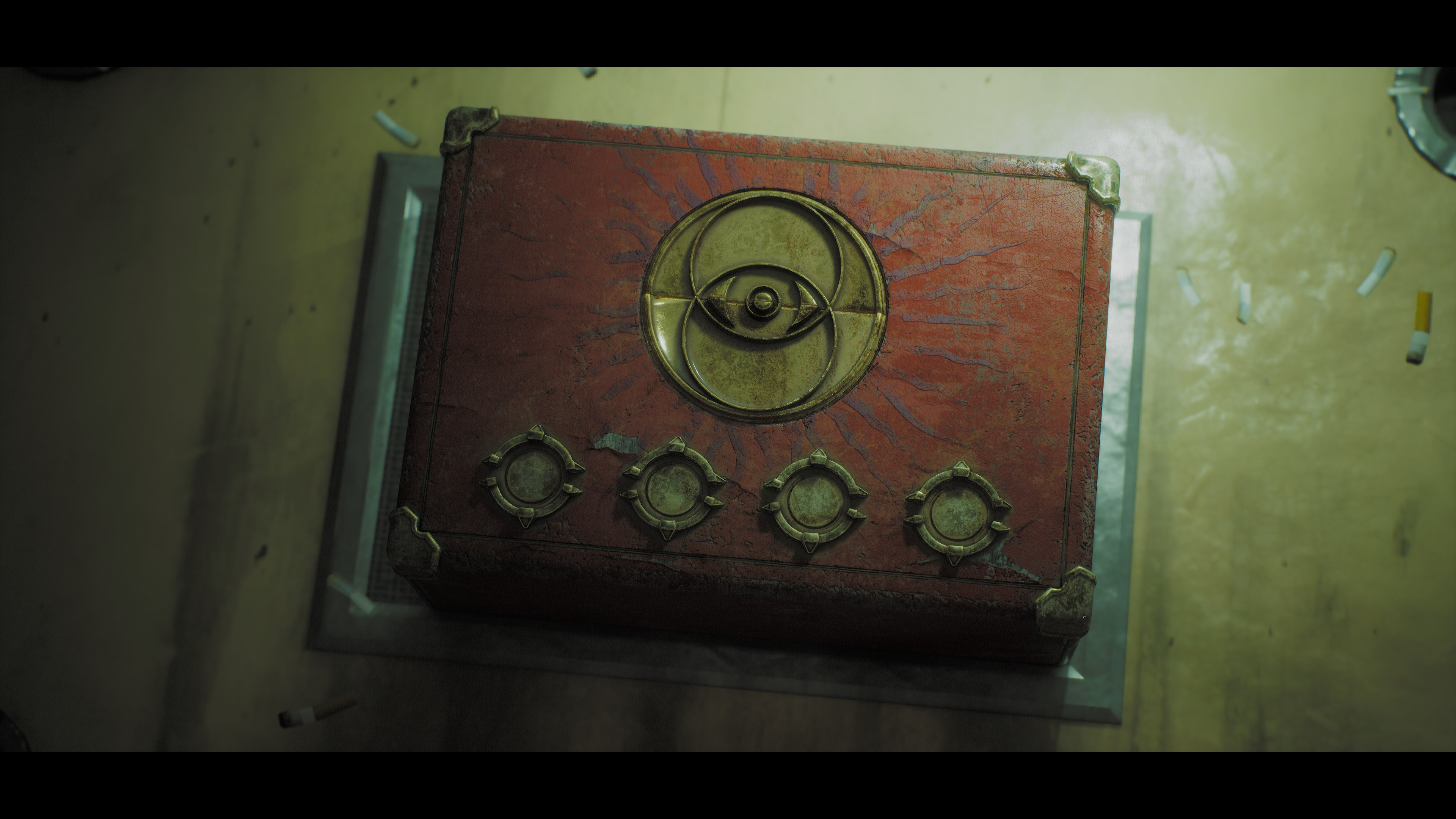 [b]
[b]Tell us more about the soundtrack for Post Trauma
[/b] On the first prototype demo, I used a copyright free track for the credits, made by the amazing Nicolas Gasparini ([url=https://www.youtube.com/@Myuu]Myuu [/url]) A few people tagged him on videos and tweets about the game and thanks to that we talked a bit over twitter DMs. It was a weird moment for me because I was a big fan of his work since the early days of youtube and now we were talking about possible future partnerships. After getting funding from Raw Fury I contacted him again because I wanted him to do something made specifically for Post Trauma. He is an incredibly talented composer and immediately knew the vibes I was looking for in Post Trauma, but more importantly he knew what the game needed more than I did. At the beginning I asked for super specific stuff and he delivered, but he also shared experiments and things he thought the game could benefit from, and oh boy he was RIGHT. I am super proud of the Post Trauma OST. It has the vibes I was looking for and more, it has inspirations from classic tracks but it still feels like its own thing and I can not wait for everyone else to enjoy it as much as I do. [b]What was the inspiration behind Roman?
[/b] When I was making the original prototype while trying to find a publisher, I tried out a few placeholder characters. The original game idea had a young girl as the protagonist, but when Epic released a tool to make digital humans, after creating the first iteration of Roman and trying it in-game, it just felt right. Roman is a normal person. Someone who, if you saw him on the street, you would not pay attention to him. He's someone that just goes about his everyday life, who does not know how to fight and therefore it makes sense that if he runs for too long he gets tired. We wanted our players to feel vulnerable, to step into the shoes of an average, everyday person, and in many ways, Roman was the perfect vessel for that feeling.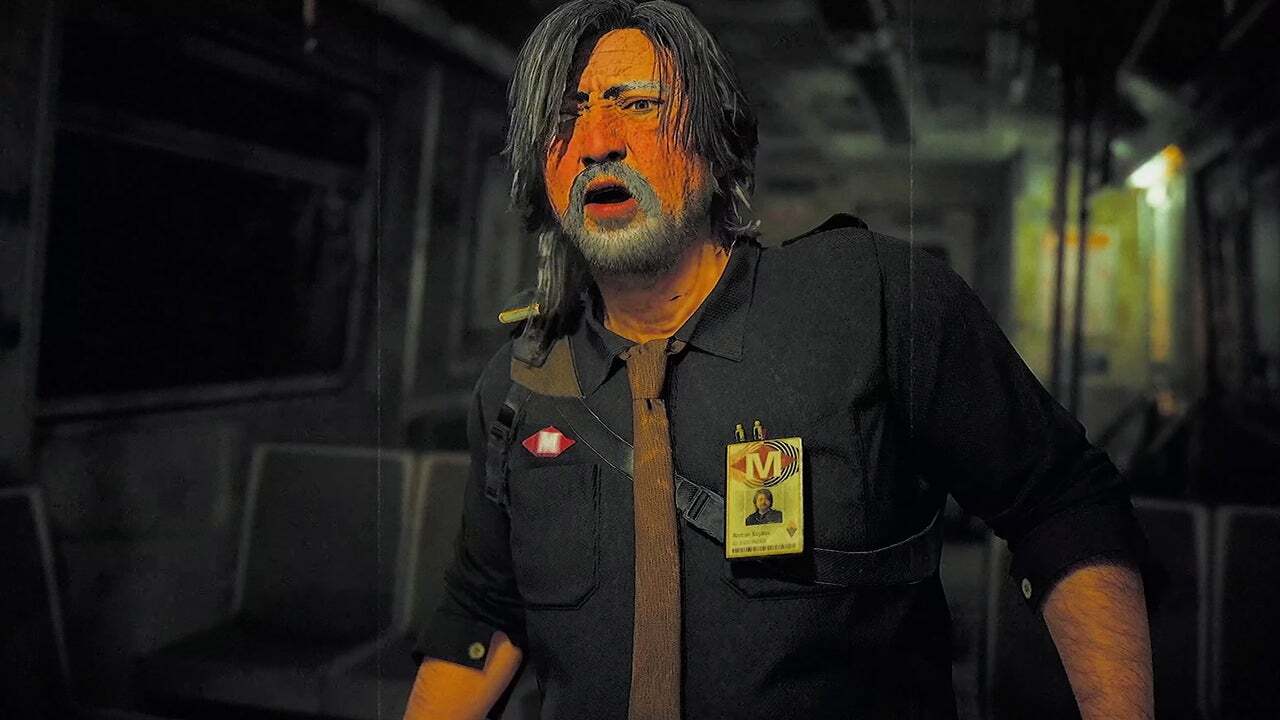 [b]
[b]