 [b]Ahoy, seadogs![/b] Come aboard, there’s enough room for everyone. Sit down comfortably, pour your royally-mandated ration of rum, and let us tell you a story about a little game called [b]Terror: Endless Night[/b]!
RESEARCHING TERROR
Making a historical game is quite a task, and it definitely has its challenges. We really wanted to get it right so we made sure to do our research and read everything we could get our hands on to prepare for this task. [b]Our starting point was, of course, the Dan Simmons novel “Terror”[/b], and we know what you’re thinking - that’s a very fictionalized version of the events but, here’s the thing, it’s still grounded in facts, and that’s the part we focused on. The very sizable afterword by dr Grzegorz Rachlewicz from UAM detailing all the known facts about the journey was a huge help in separating reality from fiction. [b]We have also reached for “Frozen in Time: The Fate of the Franklin Expedition” by Owen Beattie and John Geiger[/b] which describes the origins and the course of the expedition as well as the fate of each crew member with incredible precision and attention to detail.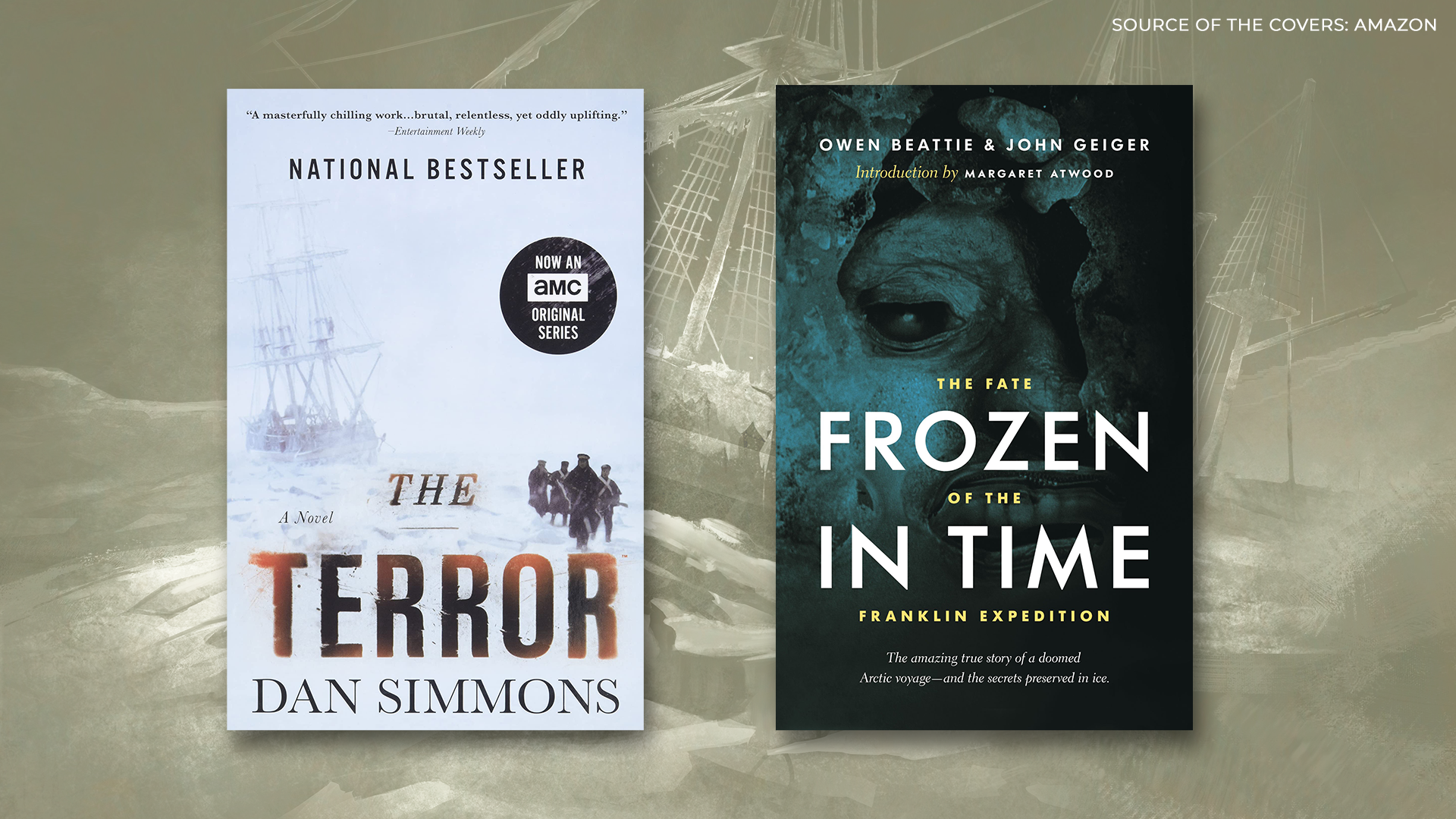
BEYOND THE SCROLLS
But books are not the only sources we’ve used. The vast array of resources made available by the [b]Parks Canada Agency[/b] concerned with protecting Canadian cultural heritage (which has, among other things, organized underwater research of Terror and Erebus shipwrecks) were an invaluable asset on our journey of making the game as true to reality as possible. [b]Equally so was Peter Carney’s “Erebus & Terror Files”[/b] blog which has been maintained for about a decade now and contains a lot of interesting tidbits about the expedition and puts the mission in the context of its 19th-century setting. Kudos to both for providing this amazing base of knowledge for free!CONTEXT IS EVERYTHING
Speaking of setting, to understand Franklin’s expedition, we need to understand the historical context surrounding it. What did life look like back then, what was the political situation? With these and more questions in mind, we headed to do more reading. [b]“Empire: How Britain Made the Modern World” by Niall Ferguson[/b] answered our broad, historical questions and provided the international context Britain found itself in at the time, whereas [b]“U Szczytu Potęgi. Wielka Brytania w latach 1815-1914” by Krzysztof Marchlewicz[/b] gave us a picture of what English society, their quality of life, industry, economy, etc. looked like back then.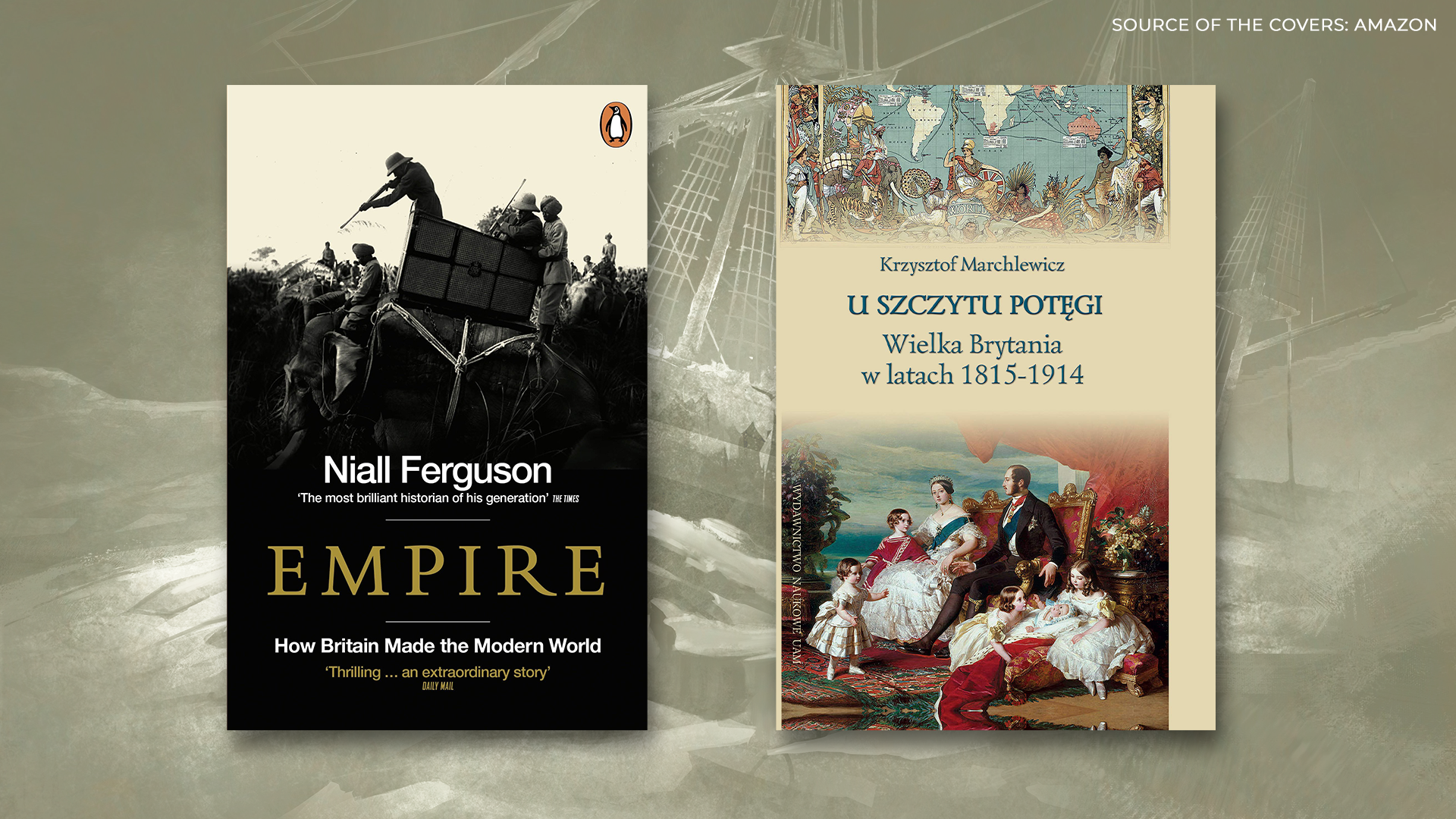 Finally, a selection of articles on 18th and 19th century England from Histmag.org and ciekawostkihistoryczne.pl sites topped us off and we were finally ready to write the plot of Terror. Well, we might’ve also taken a peek at some Wikipedia articles but maybe that’s not worth bragging about… ;)