[b]SPOILER STUFF STARTS HERE, YOU HAVE BEEN WARNED[/b]
To talk about the premise of VotW's story, we should start with a quick recap of the first game, and how this one arises from it.
The first Lost Eidolons is, in my view, structurally a tragedy. It's a classic tale about a small-town guy with a good heart, who finds himself drawn into a war that sparks a struggle within his own heart.
In the game's opening hours, the set-up seems pretty straightforward: it's a righteous struggle for freedom between an underdog (the once-great House Feniche of Benerio) and a brutal imperialist regime (the Ludivictan Empire).
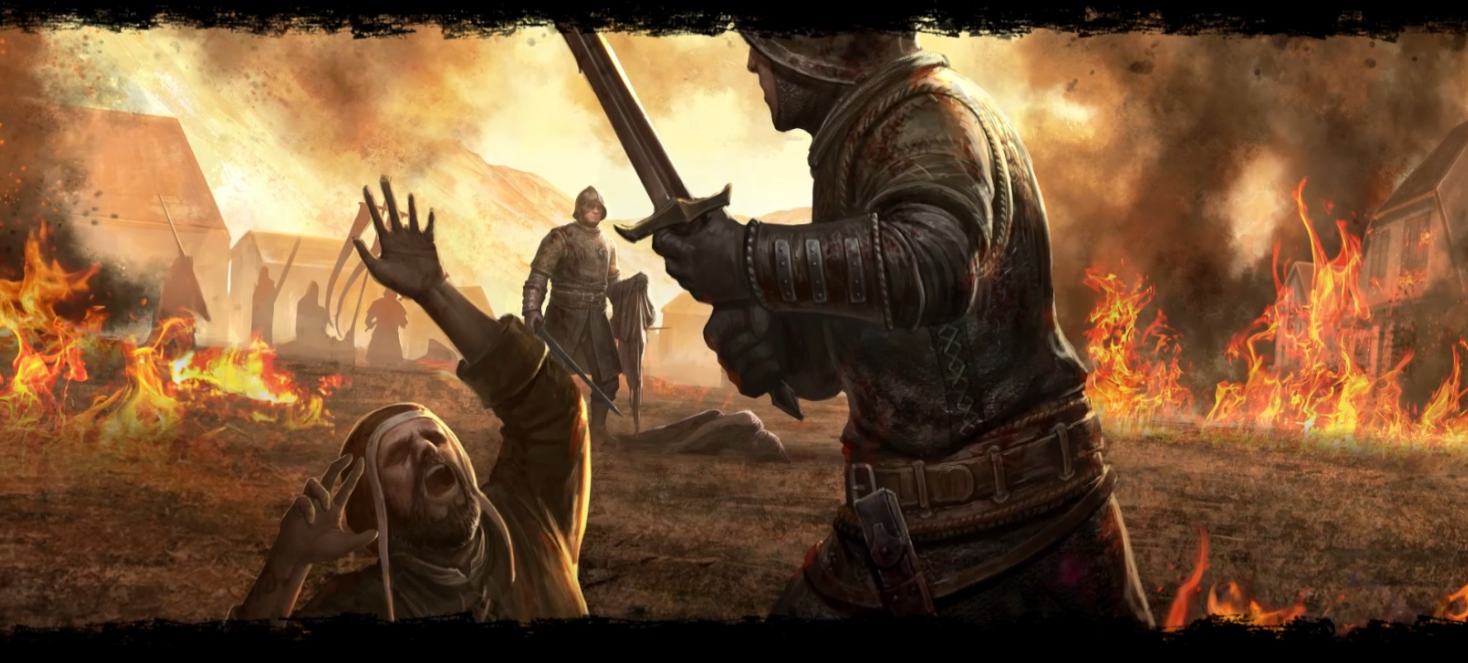
But when the bad guys go down unexpectedly early, the game's real conflict comes into focus: a chaotic civil war between former allies, with just a whiff of class struggle. And once ancient gods come into the mix, it becomes a battle for one man’s soul that decides the fate of a continent.
[b]SPOILER STUFF STARTS HERE, YOU HAVE BEEN WARNED[/b]
To talk about the premise of VotW's story, we should start with a quick recap of the first game, and how this one arises from it.
The first Lost Eidolons is, in my view, structurally a tragedy. It's a classic tale about a small-town guy with a good heart, who finds himself drawn into a war that sparks a struggle within his own heart.
In the game's opening hours, the set-up seems pretty straightforward: it's a righteous struggle for freedom between an underdog (the once-great House Feniche of Benerio) and a brutal imperialist regime (the Ludivictan Empire).
But when the bad guys go down unexpectedly early, the game's real conflict comes into focus: a chaotic civil war between former allies, with just a whiff of class struggle. And once ancient gods come into the mix, it becomes a battle for one man’s soul that decides the fate of a continent.
 I think it's fair to say that there are a lot of things about Lost Eidolons that the team might do differently today, with the benefit of hindsight. But as a writer who came onto that project a few years into development, this is one of my favorite aspects of the original, and I think one of its most successful elements: it zigs when you expect it to zag, and fully embraces the moral complexities of low fantasy.
So when we decided to embark on Veil of the Witch, one of the first questions we had to settle was: how far after the first game is it set, how connected are the two, and what does the world of Artemesia look like now? Because really, so much of the setting’s future is decided by a single question: Does Eden go on to become a good ruler, or a bad one? Does he break the cycle of morally compromised leaders, and turn Artemesia into a better place? Or does he fall prey to that same cycle, his principles falling by the wayside as he pursues the power to uphold them, in an endless self-destructive spiral?
I think it's fair to say that there are a lot of things about Lost Eidolons that the team might do differently today, with the benefit of hindsight. But as a writer who came onto that project a few years into development, this is one of my favorite aspects of the original, and I think one of its most successful elements: it zigs when you expect it to zag, and fully embraces the moral complexities of low fantasy.
So when we decided to embark on Veil of the Witch, one of the first questions we had to settle was: how far after the first game is it set, how connected are the two, and what does the world of Artemesia look like now? Because really, so much of the setting’s future is decided by a single question: Does Eden go on to become a good ruler, or a bad one? Does he break the cycle of morally compromised leaders, and turn Artemesia into a better place? Or does he fall prey to that same cycle, his principles falling by the wayside as he pursues the power to uphold them, in an endless self-destructive spiral?
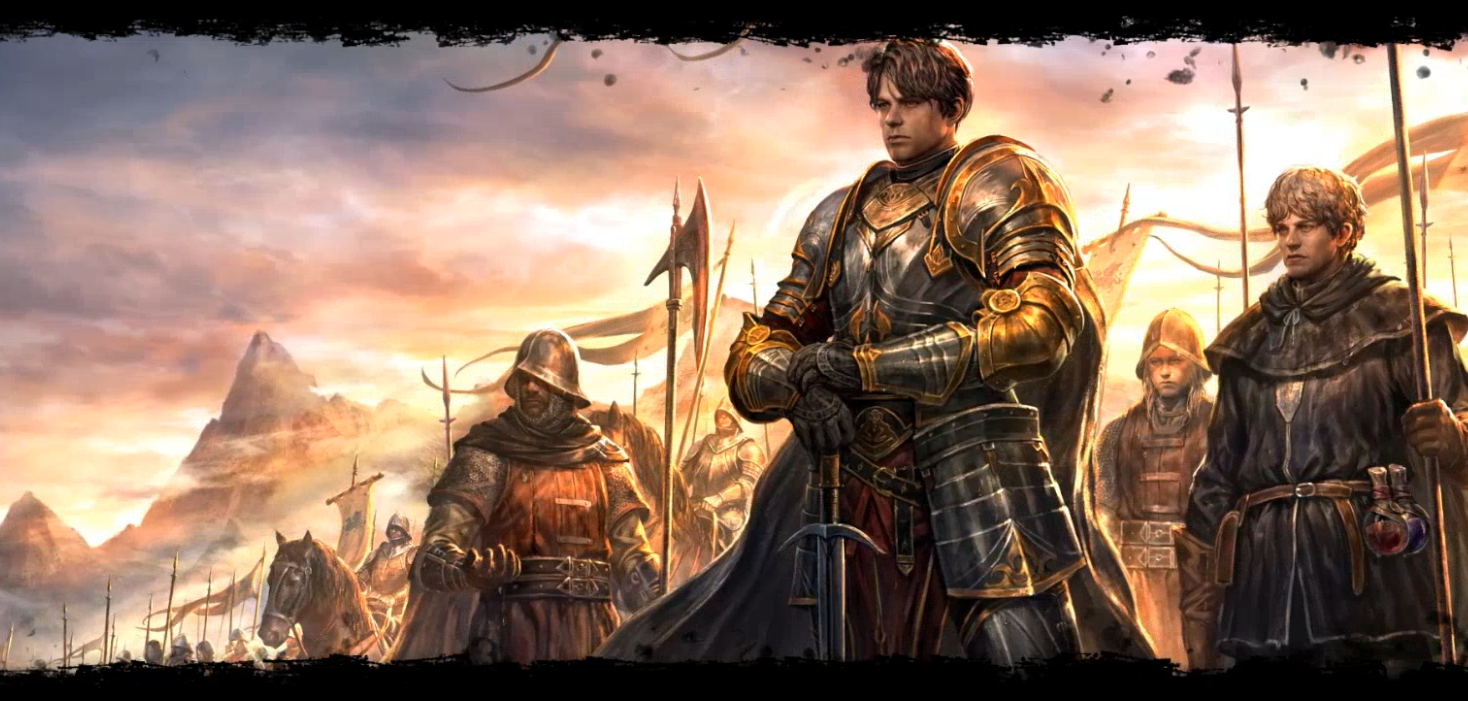 Tough question! Especially because the original game has multiple endings. It’s no wonder so many RPG series just sidestep the whole issue and time-jump 200 years between games.
I’m a pretty firm believer that every game in a franchise like this needs to be able to stand on its own two legs and tell a satisfying self-contained story, or all that great worldbuilding ceases to be an asset, and instead becomes a weighted blanket that smothers creativity. But you also want to build on previous entries, honoring the experience of existing players, or you run the risk of the world and franchise losing any kind of consistent identity.
This is a bull I expect we’ll have to wrestle for every new game in the series. But for this particular title, we decided to set the story 5 years out from the first: a span of time that lets us play in the same space (and share some characters), while granting enough distance to let us see how the world has changed as a result of Eden and the player's efforts.
Five years on, Artemesia is a land in the midst of healing and rebuilding. In the capital, Eden and his allies have set up a transitional government with two priorities: getting the continent back on its feet after a devastating war, and establishing safeguards against the kind of corruption that led to that war in the first place. The result is that they’re doing a pretty decent job, but they’re slow to respond to threats, because they’ve got their hands full with a million other things.
So that’s the backdrop we’re playing against.
From there, Veil of the Witch’s story kind of emerges naturally.
Tough question! Especially because the original game has multiple endings. It’s no wonder so many RPG series just sidestep the whole issue and time-jump 200 years between games.
I’m a pretty firm believer that every game in a franchise like this needs to be able to stand on its own two legs and tell a satisfying self-contained story, or all that great worldbuilding ceases to be an asset, and instead becomes a weighted blanket that smothers creativity. But you also want to build on previous entries, honoring the experience of existing players, or you run the risk of the world and franchise losing any kind of consistent identity.
This is a bull I expect we’ll have to wrestle for every new game in the series. But for this particular title, we decided to set the story 5 years out from the first: a span of time that lets us play in the same space (and share some characters), while granting enough distance to let us see how the world has changed as a result of Eden and the player's efforts.
Five years on, Artemesia is a land in the midst of healing and rebuilding. In the capital, Eden and his allies have set up a transitional government with two priorities: getting the continent back on its feet after a devastating war, and establishing safeguards against the kind of corruption that led to that war in the first place. The result is that they’re doing a pretty decent job, but they’re slow to respond to threats, because they’ve got their hands full with a million other things.
So that’s the backdrop we’re playing against.
From there, Veil of the Witch’s story kind of emerges naturally.
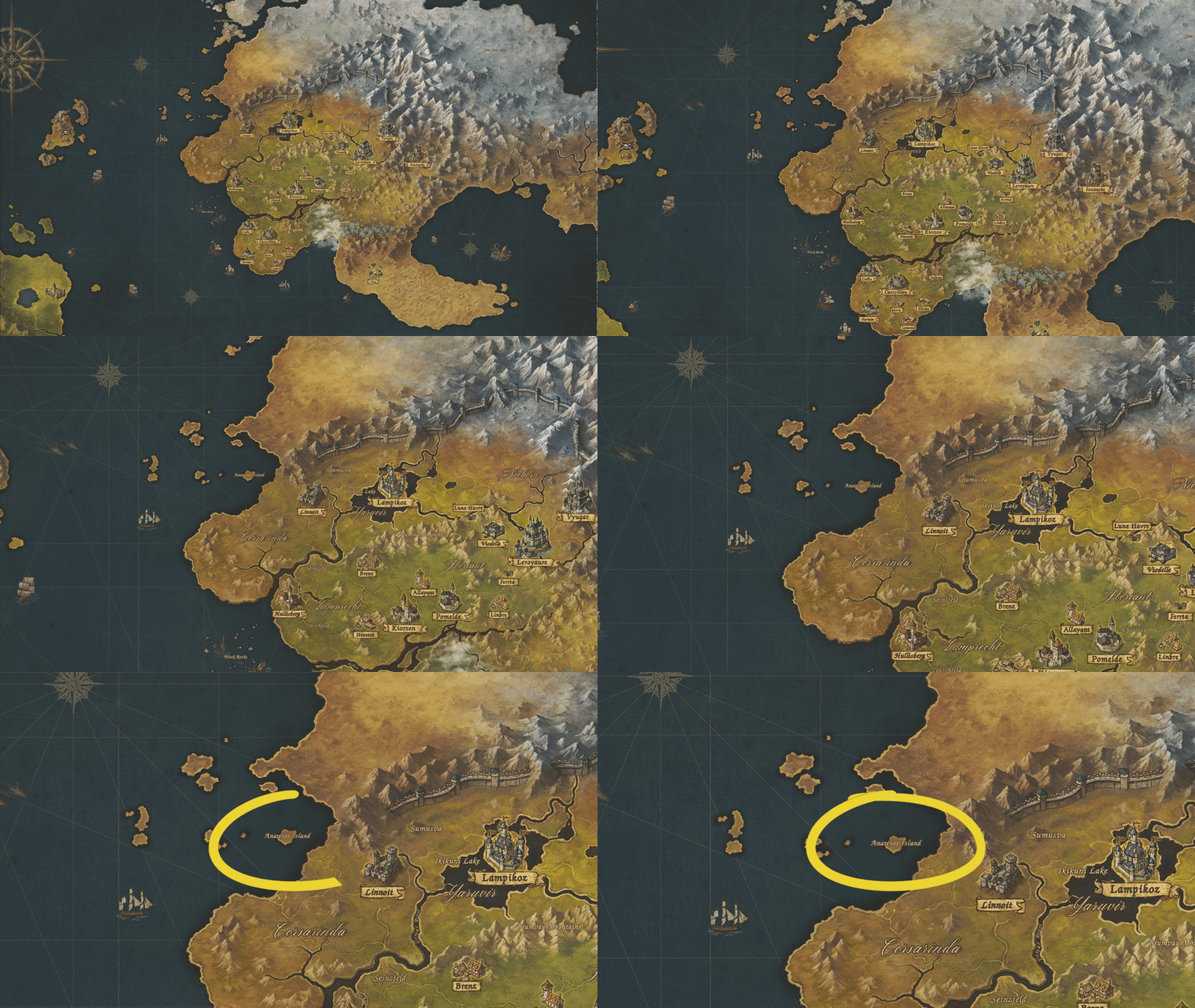
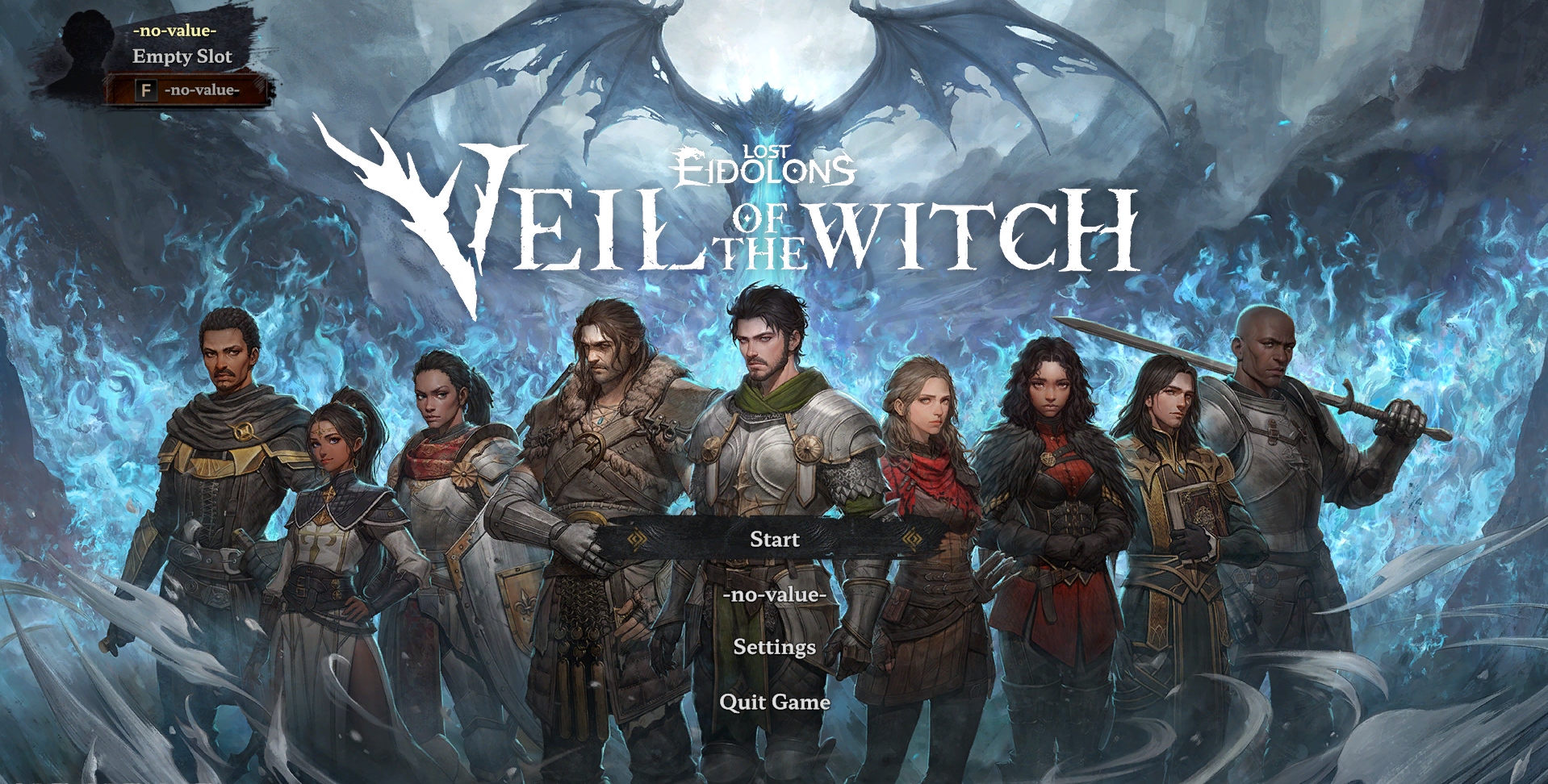 There’s a slowly growing antagonistic faction, on the edges of the world. Specifically, a neo-fascist Imperial cult secretly amassing on Anareios, a remote island off the coast, where dire developments can be mistaken for distant rumors. The bad guys are dabbling in dark magic and necromancy. People are going missing. The locals are starting to whisper about shambling figures in the misty countryside, and how dangerous it is to travel certain roads alone.
 Our new protagonist (whose name and gender are customizable, but we call Ashe by default) is an unlucky outsider traveling to Anareios on a personal quest. Then their ship hits the rocks, and suddenly they’re stranded on a zombie-infested island where the only way out is through. They’re joined by fellow survivors, some of whom are new faces, and some of whom are returning characters from Lost Eidolons. (And for those who enjoyed the first game, we take some of these characters in wildly new directions that I think you’ll really, really enjoy.)